
Sports nutrition degree
When we when we work out intensely, our body has inflammation. And that inflammation can cause what we call free radicals. But then we end our workout, and those free radicals can oxidize the cells or damage the cells https://free-spins-casino.org/.
A popular category of dietary supplements are workout supplements, which are typically taken before (‘pre-workout’) or after exercising (‘post-workout’), and are sold in a variety of forms from pills to powders and ready-to-drink shakes. The global pre-workout supplement market size alone was estimated to reach $13.98 billion in 2020 and almost double in size to $23.77 billion by 2027.
Supplements are a means to give your body additional nutrients and vitamins that it cannot receive from food and is unable to naturally produce. Supplements are capable of boosting your body to help build muscle, lose weight, aid in recovery, and even improve your exercise performance. You can find an effective supplement for just about any purpose.
Sports nutrition salary
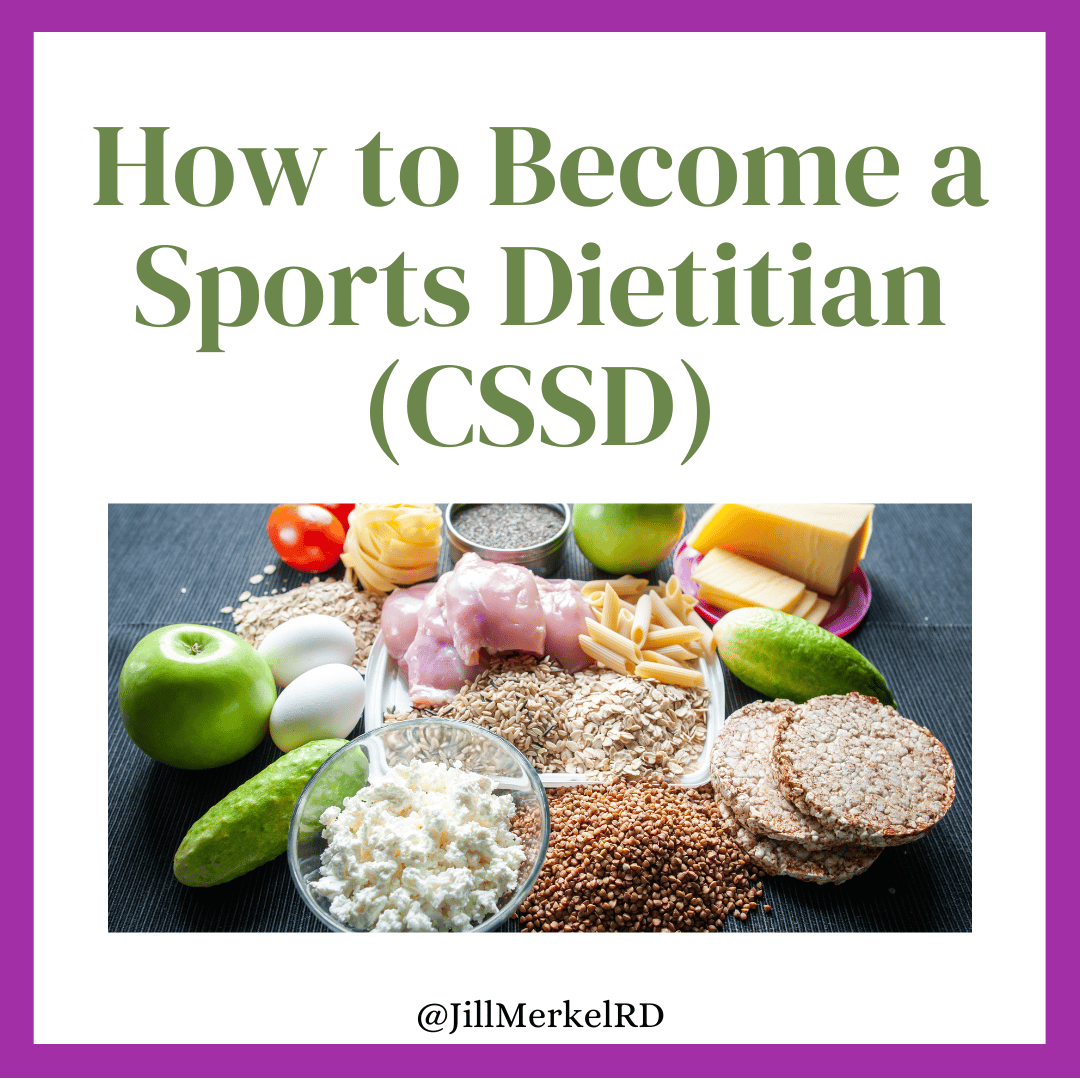
A sports nutritionist is a specialized dietitian. He or she typically works with athletes to set up meal plans that provide the greatest possible benefits for performance. Sports nutritionists will specify these dietary regimens, based upon the athlete’s body, the workout schedule, and the sport itself. Other factors, such as age, injury, conditioning, and gender will typically be considered by the nutritionist when devising the best possible diet for the athlete he or she works …Read more
In a landscape where a significant portion of athletes struggle financially, the remuneration of sports nutritionists exemplifies a broader conversation about support systems in competitive sports. Reports indicate that while the average salary of sports nutritionists is competitive, it varies widely based on experience, location, and role. How does the reality of their earnings stack up against the backdrop of skyrocketing costs for training and competing at elite levels?
Despite the challenges, several strategies can lead to success in this field. Continually updating knowledge, networking with industry professionals, and diversifying service offerings are critical components for thriving as a sports nutritionist. Additionally, combining traditional strategies with digital marketing can help reach and retain clients effectively.
While the income potential may seem promising, many sports nutritionists face challenges worth noting. The industry can be competitive, requiring professionals to continually adapt and stay informed of emerging trends. Additionally, the reliance on athlete performance can create pressure—especially in high-stakes environments like professional sports or Olympic teams.
Becoming a sports nutritionist usually requires a degree in nutrition or a related field, often coupled with certifications. Specializations can include working with specific sports teams, athletes, or even niches like weight management or dietary restrictions. This diverse career landscape contributes to varying salary scales.
Elite sports nutrition
What’s most important is that you nail the essentials. Many athletes who accomplish this don’t ever need more advanced (a.k.a. time-consuming) strategies like meticulously counting every morsel they eat.
At Elite Sport Nutrition, we provide top-tier nutrition consulting for both professional and amateur athletes. Our personalized meal plans and supplement consultations are tailored to meet your specific needs and support your training goals.
We recommend that athletes eat mostly minimally-processed healthy fats. Aim for a mix of whole-food fats (like nuts and seeds), blended whole foods (like nut butter and guacamole), and pressed oils (like olive and avocado).
Urine color isn’t your only indicator of dehydration, though. If you’re working out or competing and start feeling a little confused, get a headache, tire quickly, become dizzy or light-headed when standing up, or feel really moody, these are early warning signs of dehydration. You need to start drinking.